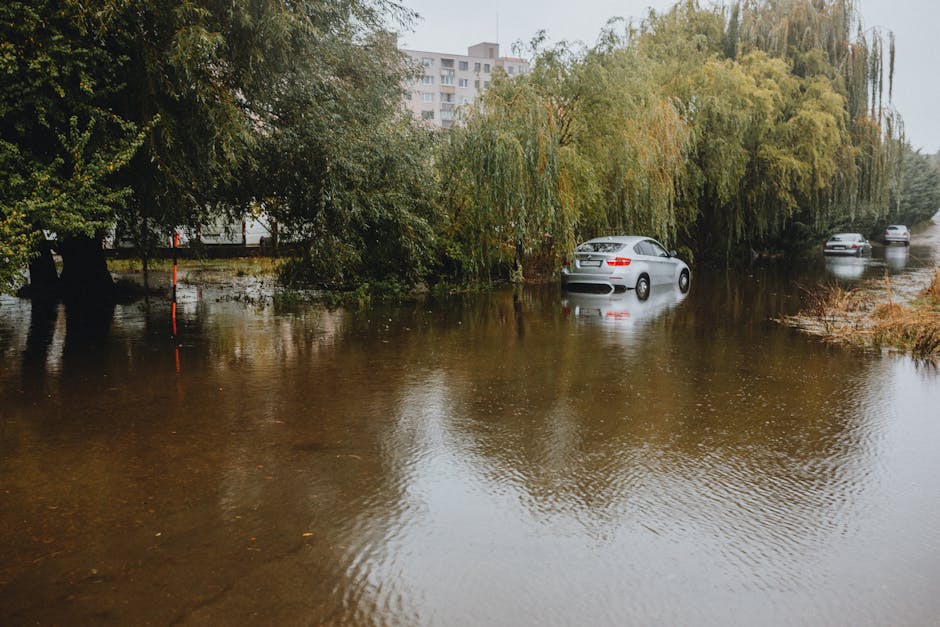
Emergency Rubbish Clearance After Flooding in Wapping

When floodwater goes down, the mess it leaves behind can feel oddly overwhelming. Soggy furniture, ruined boxes, mud, broken fittings, stripped flooring, and that damp smell that seems to cling to everything - it all adds up fast. If you need Emergency Rubbish Clearance After Flooding in Wapping, the priority is simple: remove the waste safely, reduce further damage, and get the property back to a workable state as quickly as possible.
In a place like Wapping, where homes and businesses can be tight for space, access can be awkward and time matters. One blocked hallway or one waterlogged storage room can turn into a bigger problem than it first looks. This guide walks you through what emergency clearance involves, how it works in real life, what to watch out for, and how to make a sensible decision when the pressure is on. No fluff. Just the useful stuff.
Flood damage often creates a strange kind of chaos: half-dry items mixed with soaked waste, furniture in the way, and a nagging question of what can be saved. Truth be told, that uncertainty is where people lose time. The sooner you separate salvageable items from contaminated rubbish, the easier everything gets.
Why Emergency Rubbish Clearance After Flooding in Wapping Matters
Flood waste is not just "a bit of rubbish". After flooding, items can become contaminated with dirty water, silt, sewage residue, broken glass, mould, and sharp debris. Left sitting around, that waste can spread odours, attract pests, create slipping hazards, and slow down drying and repairs. It can also make insurers, landlords, and contractors hesitant to move forward until the area is safe and clear.
In Wapping, properties may sit close to the river, basements can be vulnerable, and access routes are sometimes narrow or busy. That means a delay in clearance can quickly become a practical headache. A hallway full of wet furniture is not just inconvenient; it blocks drying equipment, makes inspection harder, and raises the chance of further damage to walls and floors.
There is also the human side of it. Flooding can be upsetting. People are often trying to save paperwork, family items, stock, or equipment at the same time as dealing with water damage. A fast, organised rubbish clearance takes some of that weight off your shoulders. It gives you breathing room. And after a flood, breathing room matters.
Expert summary: the best flood clearance is not simply "taking stuff away". It is careful removal, sensible segregation, and quick action that helps the property dry, the risk reduce, and the recovery begin cleanly.
For businesses, the stakes can be even higher. An office, shop, or storage space in Wapping may need flood waste removed before reopening, before safety checks, or before tradespeople can get in. If waste sits in a passageway or near electrics, the issue stops being cosmetic very quickly.
How Emergency Rubbish Clearance After Flooding in Wapping Works
Emergency clearance is usually a same-day or rapid-response service focused on removing flood-damaged waste safely and efficiently. The exact process varies, but the practical structure is usually similar. In our experience, the smoother jobs are the ones where the first visit is treated like triage: assess, separate, remove, then tidy the space enough for the next stage of recovery.
Typical process
- Initial assessment: The team looks at access, the type of waste, the volume, and any safety issues such as standing water, damaged electrics, or contaminated materials.
- Sorting: Items may be separated into clear categories, such as reusable items, general waste, bulky items, and items that need special handling.
- Safe loading: Wet and heavy materials are removed in a controlled way so they do not spread sludge or damage common areas.
- Transport: Waste is taken away to appropriate disposal or recycling facilities where possible.
- Final sweep-through: The clearance area is left neat enough for drying, cleaning, or remedial work to start.
For flood jobs, the pace is often faster than a standard clearance, but speed should not mean rushing blindly. A good team still checks what can be separated for recycling, what needs careful disposal, and what must not be mixed with ordinary household waste. That little bit of judgement saves hassle later.
If the property is still wet, a sensible clearance company will also be careful around surfaces that may be slippery or unstable. Flooded plasterboard, swollen chipboard, and soaked carpets can collapse or tear unexpectedly. A person stepping in too quickly can end up slipping - and nobody needs that on top of everything else. Let's be honest, flood damage is unpleasant enough already.
What makes emergency flood clearance different from normal rubbish removal?
Normal rubbish removal is often planned and predictable. Flood clearance is the opposite. It may involve damaged goods, awkward access, urgency, contamination concerns, and pressure from insurers or landlords. It may also need to happen around other recovery work such as dehumidifying, sanitising, or builder access. That coordination is a big part of the job.
For broader waste support, some readers also look at rubbish clearance or waste removal options when the flood debris is mixed with general household or business waste. If the job includes heavy items, bulk waste collection can be especially relevant.
Key Benefits and Practical Advantages
Fast flood rubbish clearance does more than make a room look better. It changes what can happen next. That is the real value.
- Reduces mould risk: Wet waste left indoors gives mould a head start. Removing it quickly helps the drying process work properly.
- Improves safety: Clearing broken items, nails, glass, and soaked debris lowers the chance of injury.
- Speeds up restoration: Builders, cleaners, and insurers can assess the property sooner when waste is out of the way.
- Supports sorting and salvage: Once the rubbish is removed, it is easier to see what can still be saved.
- Helps with odours: Floodwater can leave an unmistakable smell. The sooner contaminated waste leaves, the better the space feels.
- Reduces stress: This sounds simple, but it matters. A clear room is less mentally draining than a pile of wet, damaged belongings staring back at you.
There is also a financial angle. Delays can increase the amount of repair work required. For example, a damp sofa left in place may keep a wall wet longer than necessary. A soaked pile of cardboard can trap moisture and spread the problem across the room. Small delays have a habit of becoming bigger bills. That is just how these things go.
For landlords, managing agents, and business owners, quick clearance can also help with duty-of-care concerns. Nobody wants staff, tenants, or visitors trying to walk through a damaged area when a prompt clearance would have reduced the hazard. It is a simple bit of common sense, really.
Who This Is For and When It Makes Sense
This service is relevant to more people than you might first think. It is not just for houses that have taken on water. It can help after a burst pipe, a severe leak, a basement flood, or any event where waste has become wet, heavy, dirty, or unsafe.
Homeowners and tenants
If your flat, house, or basement storage area in Wapping has flood-damaged rubbish, emergency clearance can help you regain usable space quickly. Tenants may also need to coordinate with landlords or agents before large items are removed, especially where communal areas are involved.
Landlords and letting agents
For rental properties, flood waste can slow down re-let timelines and complicate repairs. A fast clearance gives surveyors, plumbers, decorators, and drying teams room to work. It also helps present the property in a more controlled state, which matters when several people are involved.
Businesses and offices
Offices, cafes, shops, storage rooms, and workshop spaces can all generate flood waste that needs urgent handling. If stock, packaging, fixtures, or office furniture is affected, the priority is usually to clear the space so the business can assess loss and resume operations where possible. You can also look at related support such as office clearance if the affected site includes desks, filing items, or other commercial furniture.
Property managers and contractors
Sometimes the issue is not ownership, but coordination. Contractors may need a site cleared before they can begin works. In that case, emergency clearance is less about "getting rid of rubbish" and more about unlocking the next phase of the project. That is a useful way to think about it.
When it makes sense: when waste is blocking access, creating a health or safety concern, slowing drying or repairs, or causing stress and confusion after a flood. If you are wondering whether it is "too soon" to call, the answer is usually no. If anything, earlier is better.
Step-by-Step Guidance
If you are dealing with flood rubbish right now, a simple sequence helps. You do not need a perfect plan. You need a workable one.
- Make the area safe first. Turn off power to affected areas if there is any risk, and avoid walking through standing water near electrics. If you are unsure, stop and get advice from a qualified professional.
- Take quick photos. Before anything is moved, photograph damaged items and the overall condition of the room. This can help with insurance discussions later.
- Separate what might be salvaged. Keep paperwork, sentimental items, and undamaged goods away from the waste pile. It is surprising how often something looks ruined and turns out to be cleanable.
- Identify the waste type. Is it furniture, carpet, cardboard, white goods, or mixed debris? Different items may need different handling.
- Clear access paths. Stairways, corridors, and entrances should be kept open if possible. Flood jobs become much more manageable when the route out is clear.
- Arrange rapid removal. Choose a team that can respond quickly and has the right vehicles and capacity for bulky items.
- Confirm disposal expectations. Ask where the waste will go, whether reusable materials will be recycled, and whether anything needs special handling.
- Follow up with drying and cleaning. Once the rubbish is out, the room needs proper drying and sanitation. Clearance is the start, not the finish.
A small practical note: if items are waterlogged, they become much heavier. A sofa that seemed manageable yesterday can feel like a wrestling match today. No one enjoys that. Not even close.
If the clearance includes damaged household furniture, linked services such as furniture clearance, sofa removal and collection, or mattress disposal may be relevant depending on what has been affected.
Expert Tips for Better Results
There are a few habits that make flood clearance smoother, safer, and less expensive in the long run. None of them are flashy. They just work.
- Act before the smell sets in: Damp organic waste and fabrics begin to smell quickly. Early removal makes the whole recovery feel more manageable.
- Do not over-handle soaked items: The more you move wet plasterboard, carpet, or swollen furniture, the more likely it is to break apart and make a bigger mess.
- Keep a simple item list: A quick notebook or phone note listing major damaged items can help with claims and replacement planning.
- Protect your lungs and hands: Gloves and a basic mask can be sensible if there is dust, mould, or unknown contamination. If contamination is obvious, step back and use appropriate professional help.
- Prioritise access over perfection: You do not need every item sorted before help arrives. Focus on clearing the path first.
- Ask about recycling where appropriate: A responsible clearance team should separate materials sensibly where possible, rather than sending everything into one heap.
One of the best bits of advice, oddly enough, is to slow down just enough to think clearly. The urge after flooding is to start dragging everything out at once. Sometimes that is fine. Sometimes it just creates more chaos. A good pause at the right moment saves an hour later.
If the property is in a block, it is worth checking building access rules early. Shared entrances, lifts, and communal corridors can complicate a job if nobody has planned the route. Not dramatic, just practical.
Common Mistakes to Avoid
Flood clearance goes wrong most often when people try to do too much too soon or ignore the hidden risks. Here are the big ones.
- Keeping water-damaged furniture "just in case": If an item is heavily contaminated or structurally weakened, storing it indoors only prolongs the problem.
- Mixing salvageable items with waste: Once items are all piled together, sorting becomes slower and some things get accidentally thrown away.
- Forgetting about electrics: Floodwater and live circuits are a dangerous combination. Always treat damaged wiring and appliances with caution.
- Using the wrong bin or collection route: Flood debris, bulky waste, and contaminated materials may not suit ordinary bin collection.
- Leaving the job half done: Clearing the obvious mess but leaving damp underlay, hidden rubbish, or soaked cardboard behind can undermine the whole effort.
- Ignoring access constraints: A clearance team arriving to find no parking, blocked entrances, or a locked gate can waste precious time. Happens more than you would think.
Another common issue is underestimating how long flood rubbish takes to dry out enough for handling. Wet textiles, carpets, and foam all behave differently. Some collapse into a heavy mass, others drip for hours. That is why a flexible, experienced approach matters.
Tools, Resources and Recommendations
You do not need a van full of specialist gear to get started, but a few practical tools can help you stay organised and safer while waiting for help.
| Tool or resource | What it helps with | Why it matters |
|---|---|---|
| Heavy-duty gloves | Handling wet, dirty, or sharp debris | Protects hands and gives a better grip |
| Face mask | Dust, damp, and mild mould exposure | Useful when disturbed materials smell stale or dusty |
| Phone camera | Recording damage before removal | Useful for claims, records, and sorting |
| Tough bags or containers | Separating small debris and loose items | Keeps the work area less chaotic |
| Tape and labels | Marking salvageable items | Helps avoid accidental disposal |
| Dehumidifier or drying equipment | Post-clearance drying | Supports recovery once rubbish is removed |
For residents and businesses dealing with mixed waste, broader services like property clearance, home clearance, or house clearance may be helpful where the flood has affected more than one room. For larger or recurring needs, commercial waste collection and waste disposal can provide a more structured route.
If the situation involves damaged refrigeration, appliances, or other bulky items, related pages such as fridge disposal and white goods recycle may also be relevant. The right choice depends on what has actually been flooded. Simple, but important.
Law, Compliance, Standards, or Best Practice
Flood clearance is not usually a heavily technical legal topic for the customer, but there are still sensible UK best-practice points to keep in mind. Waste should be handled responsibly, moved safely, and taken to appropriate facilities. If any waste contains contaminated materials, broken electrical items, or anything potentially hazardous, it should be treated with extra care and not mixed casually with general rubbish.
For businesses, there is also a duty to keep workplaces reasonably safe for staff, visitors, and contractors. That does not mean every emergency has a perfect procedure on day one - real life is messier than that - but it does mean hazards should be reduced as soon as reasonably possible. In practical terms, that means clearing blocked walkways, removing unstable debris, and making sure nobody is asked to work around avoidable danger.
Insurance processes can also influence how the job is handled. While policies differ, clear photos, item lists, and prompt action are often helpful. If you are unsure what should be kept, documented, or discarded, it is worth slowing down long enough to ask before the last surviving receipt disappears into a soggy box. That happens. More often than people admit.
Best practice also includes choosing a provider with appropriate insurance and a sensible health-and-safety approach. Pages such as insurance and safety and health and safety policy can help you understand the kind of standards a reputable operator should be working to. If you want to review how a provider handles payments, payment and security is also worth a look before booking.
Options, Methods, or Comparison Table
After flooding, people usually choose between clearing things themselves, getting council support where available, or arranging a private emergency clearance. Each option has its place, but they are not equal in every situation.
| Option | Best for | Pros | Limitations |
|---|---|---|---|
| DIY clear-out | Small amounts of safe, lightweight waste | Immediate, flexible, low upfront cost | Time-consuming, physically demanding, riskier with contaminated or heavy items |
| Council collection | Planned disposal of certain items where service rules allow | Useful for standard household waste routes | Often not fast enough for emergencies; restrictions may apply |
| Private emergency clearance | Flood waste, bulky items, access problems, urgent turnaround | Fast, adaptable, often better for mixed waste and large volumes | Can cost more than standard collection, depending on the job |
If speed is the main issue, private clearance is usually the practical choice. If the amount of waste is tiny and the timing is flexible, another option might do the job. The key is to match the method to the mess, not the other way round.
For standard local disposal routes, pages like council large item collection, council waste collection, and bulky waste collection may be useful references. But after a flood, time often matters more than anything, and that is where emergency support earns its keep.
Case Study or Real-World Example
A Wapping basement flat after a sudden water ingress is a good example of how this works in real life. The residents had a mix of ruined cardboard storage boxes, a waterlogged rug, two damaged chairs, and a pile of broken shelving. The room smelled musty by late afternoon, and every item moved seemed to drip a little more than expected. The main challenge was not just the rubbish itself - it was access. The stairs were narrow, and the landing had to stay clear for a dehumidifier and an electrician.
In a situation like that, the sensible approach was to separate anything possibly salvageable first, then remove the obvious waste in phases. Cardboard went out early because it held moisture. The larger furniture was carried after the route had been protected. Once the bulk waste was gone, the drying equipment could do its job properly, and the room was easier for the repair team to assess.
That kind of staged clearance is common after flooding. It is not glamorous. It is just effective. And after a long wet day, effective is what you want.
For similar mixed-item removals in properties affected by water damage, furniture removal and collection, large item collection, and waste clearance can all form part of a wider recovery plan.
Practical Checklist
Use this checklist if you are preparing for or managing emergency rubbish clearance after flooding.
- Confirm the area is safe to enter
- Check for any electrical or structural risk first
- Take photos of damage before items are moved
- Separate valuables and salvageable belongings
- Keep access routes open for removal
- Group bulky items together where possible
- Identify anything potentially contaminated
- Arrange fast removal rather than leaving waste overnight
- Ask about recycling and disposal methods
- Prepare for drying and cleaning after the clearance
- Keep any insurer, landlord, or contractor updated
- Review the area again after the main waste is gone
Quick reminder: if the waste is wet, heavy, or contaminated, do not force the job. A bit of caution now is worth a lot later.
Conclusion
Emergency rubbish clearance after flooding is about getting control back. That is the core of it. In Wapping, where access can be tight and properties may be affected quickly by water ingress, fast and sensible waste removal can make a real difference to safety, drying times, repair work, and peace of mind.
The best approach is usually straightforward: make the area safe, document the damage, separate what matters, and clear the waste without delay. From there, the rest of the recovery becomes much more manageable. Not easy, perhaps. But manageable, and that counts for a lot after a flood.
If you are dealing with flood-damaged rubbish right now, choose the option that gets the space safe, clear, and ready for the next stage. One room at a time. One step at a time. You'll get there.
Get a free quote today and see how much you can save.
Frequently Asked Questions
What counts as emergency rubbish clearance after flooding?
It usually means the rapid removal of flood-damaged waste such as soaked furniture, broken household items, ruined packaging, carpet, and debris that cannot safely stay in the property.
How quickly can flood rubbish be removed in Wapping?
That depends on access, the amount of waste, and the type of items involved. Emergency jobs are often arranged for the same day or as quickly as practical, especially when the waste is blocking access or causing a safety issue.
Can wet furniture and carpets be taken away?
Yes, in most cases they can. Wet items are often heavier and messier than they look, so they need careful handling. Some items may also be suitable for recycling or separate disposal depending on the material and condition.
Should I wait for everything to dry before arranging clearance?
Usually no. If the items are clearly ruined or causing a hazard, it is often better to remove them quickly so drying and repairs can begin. Leaving them in place may make mould and odour problems worse.
What if I am not sure whether something is salvageable?
Set it aside separately before the main waste is removed. If you are unsure about paperwork, sentimental items, or electronics, keep them out of the disposal pile until you have had a proper look.
Is flood waste treated differently from normal rubbish?
Often yes. Flood waste may be contaminated, heavier, or mixed with debris that needs more careful handling than everyday rubbish. That is why a general bin collection is not always the right option.
Can businesses use emergency clearance after flooding?
Absolutely. Offices, shops, warehouses, and other commercial sites often need urgent clearance so they can restore access, reduce risks, and get contractors in quickly.
Will the waste be recycled?
Where materials are clean enough and suitable for recycling, a responsible provider will usually separate them where possible. Flood damage can limit what can be recycled, though, especially if items are contaminated or heavily waterlogged.
Do I need to do anything before the clearance team arrives?
If you can do so safely, clear a route to the damaged area, take photos, and move valuables away from the waste. Beyond that, it is often best not to do too much if the property is still wet or unstable.
What about electrical items that were flooded?
Do not use them until they have been checked by a qualified professional. Flooded electrics can be unsafe even if they look fine from the outside. Better to be cautious there.
How do I choose the right waste service after flooding?
Look for a provider that can handle bulky, mixed, or urgent waste and that explains disposal and safety clearly. If you want a broader picture of the company's approach, pages such as about us, pricing and quotes, and contact us can be useful starting points.
What should I do if the flood waste smells very bad?
Keep windows open if it is safe, avoid disturbing the waste too much, and arrange removal quickly. Strong smells usually mean moisture, contamination, or both, and the longer the waste stays, the harder the room is to recover.