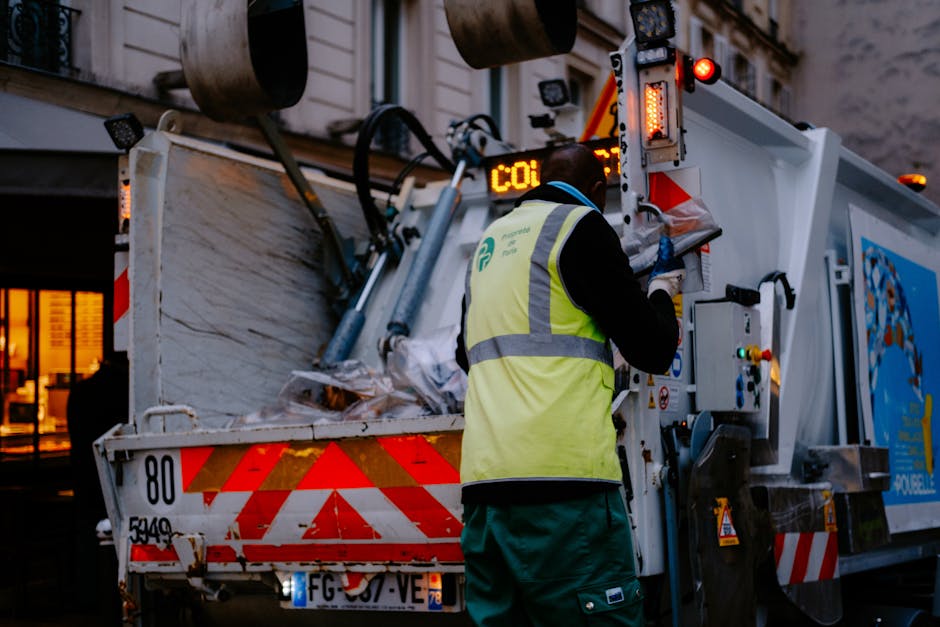
What Hackney Council Charges For Bulky Waste Collections
If you are staring at an old sofa, a broken fridge, or a mattress that has had one too many rough nights, you are probably wondering what Hackney Council charges for bulky waste collections and whether it is the simplest way to get the lot gone. Fair question. Nobody wants to overpay for a single item, but nobody wants a heavy, awkward pile sitting by the door for another week either.
This guide breaks down how bulky waste collection usually works in Hackney, what the cost can depend on, what items are typically accepted, and when a council collection makes sense versus a private alternative. We will keep it practical, local, and clear. No fluff. Just the bits you actually need when the hallway is full and the clock is ticking.
Table of Contents
- Why What Hackney Council Charges For Bulky Waste Collections Matters
- How What Hackney Council Charges For Bulky Waste Collections Works
- Key Benefits and Practical Advantages
- Who This Is For and When It Makes Sense
- Step-by-Step Guidance
- Expert Tips for Better Results
- Common Mistakes to Avoid
- Tools, Resources and Recommendations
- Law, Compliance, Standards, or Best Practice
- Options, Methods, or Comparison Table
- Case Study or Real-World Example
- Practical Checklist
- Conclusion
- Frequently Asked Questions
Why What Hackney Council Charges For Bulky Waste Collections Matters
Bulky waste is one of those jobs that looks small on paper and suddenly feels huge once you have tried to move a wardrobe down three flights of stairs. The charge matters because it changes the decision. If the price is manageable, a council collection can be the neatest option. If the charge is higher than expected, you may start comparing it with other removal services or even splitting the load into separate pickups.
In Hackney, as in other London boroughs, bulky waste collection is not just about cost. It is also about convenience, the type of items accepted, access to the property, and whether you need the waste gone by a fixed date. That can matter a lot if you are moving out, clearing a flat after a tenancy, or replacing furniture and want the old stuff removed before the new delivery arrives.
There is another side to it too. Choosing the wrong route can lead to delays, missed collections, or items being left behind because they were not prepared properly. That is the sort of thing people only discover on the day, usually while standing at the window with a mug of tea getting cold. Not ideal.
Key takeaway: the real value of a bulky waste collection is not just the fee itself, but whether the service matches your item type, timing, and access needs.
How What Hackney Council Charges For Bulky Waste Collections Works
Hackney Council's bulky waste service is designed for larger household items that do not fit into ordinary bins or standard refuse rounds. The exact charge can vary depending on the council's current pricing structure, the number of items, and whether the item falls into a special category. Because council fees can change, it is sensible to check the latest published price before booking rather than relying on old information passed around by neighbours or online forums.
Generally speaking, the process tends to follow a straightforward pattern:
- You identify the items you want removed.
- You check whether they are accepted as bulky waste.
- You book a collection slot and pay the fee if required.
- You place the items out in the correct location and at the correct time.
- The council collects the items on the arranged date.
That sounds simple enough, but the devil is in the details. A sofa with cushions, for example, may be treated differently from a dismantled bed frame. A fridge often needs special handling because it can contain refrigerants. And if an item is dirty, broken beyond safe handling, or mixed with loose waste, the collection team may not take it.
If you want a broader sense of how similar collections are handled across London, pages such as bulky waste collection and large item collection are useful because they explain the service type in plain English. For readers comparing council options with private clearance, it can also help to understand the difference between council waste collection and specialist removal services.
What usually affects the charge?
The price is usually influenced by a few practical things rather than one single rule. These commonly include:
- Number of items: one item may be priced differently from a small batch.
- Item type: a mattress, sofa, or white goods item may require different handling.
- Access: ground-floor collection is often easier than carrying items down stairs.
- Preparation: some collections require items to be dismantled or made safe first.
- Service scope: council collections are normally limited to household items rather than mixed clearance jobs.
Truth be told, that is why people often ask about the fee before they do anything else. It helps them decide whether a council booking is the cleanest route or whether a more flexible waste removal option makes better sense.
Key Benefits and Practical Advantages
A council bulky waste collection can be appealing for a few solid reasons. First, it is familiar. Most people understand the basic idea: book, place items out, and let the council handle the rest. That feels reassuring, especially if you are not dealing with a huge clearance job and simply want a couple of awkward items removed.
Second, it can be a tidy option for people who do not want to organise a man-and-van style clearance or take items to a site themselves. If you live in a flat with no lift, a shared entrance, or a narrow stairwell that seems designed by someone with a grudge, having the collection organised for you is a real convenience.
Third, it can support better waste handling when items are routed to the right stream. In many cases, bulky collections are tied to recycling or responsible disposal practices, which matters if you are trying to avoid fly-tipping or random dumping on the street. Nobody wants to be that household with a broken wardrobe sitting under a tree for three days. Let's face it, the street notices.
Here is a simple summary of the practical upside:
- Clear process: easy to understand for most households.
- Less manual effort: useful when items are heavy or awkward.
- Local service: designed around borough collection routes.
- Suitable for common bulky items: furniture, mattresses, and some white goods.
If you are clearing out old seating or bedroom furniture, related services like furniture removal and collection, sofa removal and collection, and mattress removal and collection can help you understand the sort of job those items involve in a wider removal context.
Who This Is For and When It Makes Sense
This service is usually for households, not businesses, though the exact rules depend on the provider. In a Hackney home, the most common users are tenants, landlords clearing between lets, homeowners replacing furniture, and families dealing with one-off bulky items that cannot go in normal bins.
It tends to make sense when:
- you have one or a few large household items;
- you need a simple, local collection;
- you do not want to hire a vehicle yourself;
- you are happy to work to the council's booking and placement rules;
- your items are standard bulky household waste rather than a full property clearance.
It may be less suitable when you have a bigger job on your hands, like a flat after a long tenancy, a loft full of mixed clutter, or a business premises needing regular waste support. In those cases, a broader service such as home clearance, property clearance, or even commercial waste collection may fit better.
A quick example. If you are replacing a single sofa and a broken bedside table, a bulky collection may be enough. If the entire living room has to go, plus the shed, plus a few bags from the loft, you are probably looking beyond a standard council-style pickup. Different job, different answer.
Step-by-Step Guidance
If you want to keep the process calm and avoid last-minute surprises, work through it in a sensible order. Nothing fancy. Just a method that saves time.
- List every item clearly. Write down exactly what you want removed. A "bed" is not the same as a "bed frame plus mattress plus headboard." Details matter.
- Check whether each item is accepted. Some items need special handling, and some may be excluded. White goods, for example, often need more care than regular furniture.
- Measure the item if needed. If it is unusually large, it helps to know whether it will fit through the access route and whether dismantling is sensible.
- Prepare the collection point. Put items where the service expects them to be, often outside or in a designated safe location.
- Remove personal belongings. Drawers, cushions, cables, and loose contents tend to get forgotten. You always notice after the van has gone.
- Book at a time that suits your household. If possible, avoid dates when parking is especially tight or when you have deliveries booked.
- Keep proof of booking. Confirmation details can be handy if you need to chase a missed collection or clarify the service.
One small but useful tip: if you are disposing of electricals, check whether they belong in a separate stream. Items like fridges and washing machines can be treated differently from a plain chair or table. Services such as fridge disposal and white goods recycle show how those items are often handled in practice.
A simple decision rule
If the item is large but straightforward, a council bulky collection may be enough. If the job includes multiple room contents, mixed waste, or awkward access, think bigger and plan accordingly. That little rule saves a lot of back-and-forth.
Expert Tips for Better Results
In our experience, the smoothest bulky waste bookings are the ones where the customer does a few small things well. Not dramatic things. Just sensible preparation.
Tip 1: dismantle what you safely can. A flat-pack wardrobe or bed frame often takes up less space once broken down. It can also be easier for the collection team to handle. If you do dismantle, keep screws and fittings in a bag taped to the item if they are needed for safety reasons.
Tip 2: keep items dry and accessible. Rain-soaked cardboard, soft furnishings left in a rear garden, or items buried behind bins can slow the collection down. A clear collection point helps more than people expect.
Tip 3: separate reusable items from rubbish. If something can be donated, sold, or reused, do that first. Not only does it reduce waste, it may also save money by shrinking the collection load.
Tip 4: check parking and access early. In Hackney, parking can be tight. If the collection vehicle needs space, a cramped road can become a problem fast. It is the sort of thing you only think about when the truck is already circling.
Tip 5: think in categories, not just items. Furniture, mattresses, electricals, and mixed rubbish all behave differently from a service perspective. Grouping your items by type makes the booking easier and helps you avoid accidental refusals.
And one more thing: do not overcomplicate it. People sometimes spend half a day trying to engineer the perfect disposal method for a wobbly chest of drawers. If the job is simple, keep it simple.
Common Mistakes to Avoid
Most bulky waste headaches come from a handful of predictable mistakes. The good news? They are easy to dodge once you know what they are.
- Assuming the price is fixed forever: fees can change, so always check current details before booking.
- Leaving items in the wrong place: a missed placement point can mean a missed collection.
- Mixing prohibited waste with accepted items: one bad item can complicate the whole load.
- Forgetting to empty furniture: drawers, cushions, and loose contents are easy to overlook.
- Not allowing enough time: if you need the waste gone by a moving date, leave a buffer.
- Choosing the wrong service level: a small bulky collection is not the same as a full clearance.
Another common one is underestimating access. A narrow stairwell, controlled entry system, or permit-only street can all add friction. Not impossible, just friction. And friction turns easy jobs into awkward ones very quickly.
Tools, Resources and Recommendations
You do not need fancy tools to prepare for a bulky waste collection, but a few basics help:
- Measuring tape: useful for doors, stairwells, and oversized furniture.
- Screwdriver or hex key: handy for dismantling flat-pack furniture safely.
- Strong bin bags or boxes: for loose parts, cables, or fittings.
- Marker pen and tape: good for labelling items or attaching small parts.
- Phone camera: useful if you want a quick record of what was booked.
If your project is bigger than a few household items, you may also want to look at broader removal options. Pages such as rubbish removal, waste clearance, and furniture clearance can help you compare the style of service before you make a decision.
For households dealing with a shed, garage, loft, or inherited clutter after a move, it can be useful to compare specialist services too. A single sofa is one thing; a packed garage is another animal entirely.
Law, Compliance, Standards, or Best Practice
When you dispose of bulky waste, the important thing is to use a legitimate collection route and present items in a way that is safe and suitable for collection. That helps reduce the risk of waste being dumped illegally or handled badly. In the UK, waste should be managed responsibly, and householders are still wise to keep an eye on where their items go, even if they are paying a council or licensed provider to take them away.
Best practice usually means:
- booking through a recognised service;
- providing accurate item details;
- keeping hazardous or specialist waste separate;
- not blocking pavements, entrances, or fire exits;
- ensuring items are ready by the requested time.
If you have electrical items, damaged appliances, or anything with a special disposal requirement, take extra care. Fridges, for example, can need separate treatment because of their components. Mattresses and sofas can also be subject to different handling routes depending on the service. If you are unsure, ask before booking rather than assuming. Saves a lot of trouble.
For businesses, the rules and expectations can be different again. Commercial waste must usually be arranged through an appropriate business service, which is one reason many operators look at options like business waste removal or commercial waste disposal instead of household bulky collection routes.
Options, Methods, or Comparison Table
Here is a practical comparison of common ways people deal with bulky items in Hackney and across London. The best choice depends on your item type, budget, and how much effort you want to put in.
| Option | Best for | Typical advantages | Possible drawbacks |
|---|---|---|---|
| Council bulky waste collection | One-off household bulky items | Simple, local, familiar process | May have fixed rules, limited item types, and booking windows |
| Private bulky waste collection | Faster or more flexible removals | Often more adaptable and suited to awkward access | Can cost more depending on load size and urgency |
| Home or property clearance | Multiple rooms or whole-property jobs | More suitable for larger clear-outs | More involved than a simple collection |
| Self-delivery to a facility | Those with transport and lifting help | Can suit smaller budgets | Time, labour, vehicle, and site rules can be a hassle |
If your job involves a mix of beds, sofas, and general household clutter, a specialist service may be more suitable than trying to squeeze everything into a single bulky booking. For example, house clearance, flat clearance, and garage clearance are often a better fit for multi-item jobs.
There is no shame in choosing the easier route. Honestly, if you have ever tried to drag a broken armchair through a tight Victorian hallway, you know exactly what I mean.
Case Study or Real-World Example
Imagine a Hackney resident in a two-bedroom flat near a busy road. They are replacing a sofa, a mattress, and an old coffee table. The sofa is bulky but manageable, the mattress is awkward, and the table has loose legs. There is also limited space outside and only a narrow window for parking.
In that situation, the resident might first check the council's bulky waste fees and item rules. If the collection accepts all three items and the booking window works for the move-out date, it could be the neatest option. But if the sofa needs dismantling, the mattress has to be collected separately, or the collection date is too far away, a private collection may be more practical.
Now compare that with a different scenario: a household clearing a spare room, garden shed contents, and a broken freezer at the same time. That is no longer a simple bulky pickup. It is starting to look like a larger clearance job, especially if the items are mixed and access is awkward. In that case, a broader waste clearance service usually makes the day less stressful.
The point is not that one route is always better. It is that the right option depends on the actual mess in front of you, not the idea of the mess in your head. Small but important difference.
Practical Checklist
Use this checklist before you book or leave items out for collection:
- Have I confirmed the current fee for the collection?
- Have I checked that each item is accepted?
- Do I know whether the item needs dismantling?
- Have I removed loose belongings, cushions, drawers, or batteries?
- Is the collection point clear and easy to reach?
- Have I allowed enough time before a move, delivery, or handover?
- Do I need to separate electricals, mattresses, or white goods?
- Have I compared the council option with a private alternative if speed matters?
- Do I have confirmation details saved somewhere easy to find?
If the answer to most of those is yes, you are in good shape. If several are no, pause for a moment and sort those out first. It saves stress later. Always does.
Conclusion
What Hackney Council charges for bulky waste collections is only part of the decision. The better question is whether the service fits your items, your schedule, and your level of effort. For a few standard household items, a council collection can be a clean and sensible solution. For bigger, mixed, or more time-sensitive jobs, another route may be worth considering.
The practical win is simple: know what you are disposing of, check the rules, and pick the option that keeps the job moving without creating extra hassle. That way, you spend less time worrying about the old stuff and more time getting your space back.
Get a free quote today and see how much you can save.
And once the bulky waste is gone, the room feels different. Quieter, lighter, a bit more like home again. That part never gets old.
Frequently Asked Questions
What is considered bulky waste in Hackney?
Bulky waste usually means large household items that are too big for normal bins or routine refuse collections. That often includes furniture, mattresses, and some appliances, although the exact accepted list can vary.
How much does Hackney Council charge for bulky waste collection?
The charge can change, so it is best to check the current council pricing before booking. Fees may depend on the number of items, the item type, and any special handling needs.
Can I book a bulky waste collection for a sofa?
Yes, sofas are commonly part of bulky waste services, but they need to be listed correctly when booking. If the sofa is especially large or needs dismantling, that should be checked in advance.
Will the council take a mattress?
Mattresses are often accepted, but they may be handled as a separate item type. It is wise to confirm the current rule before leaving it out, especially if the mattress is damaged or heavily soiled.
Do I need to leave the items outside?
Usually items must be placed where the collection service expects them, which may be outside the property or at a safe agreed point. The exact instructions matter, so follow the booking details carefully.
Can I put electrical items in with bulky waste?
Some electricals are accepted, but many need specific handling. Fridges, washing machines, and similar items can be treated differently from standard furniture, so always check first.
What happens if I miss the collection time?
If items are not ready when the collection happens, they may be left behind and you may need to rebook. That is one reason it helps to prepare everything the day before.
Is bulky waste collection cheaper than hiring a private clearance service?
Sometimes yes, especially for a small number of standard items. But if you need speed, flexibility, or a larger clearance, a private service may offer better overall value despite a different fee structure.
Can Hackney Council collect commercial waste as bulky waste?
Usually bulky waste collection is intended for household items, not business waste. Commercial premises normally need a different service route, such as a dedicated business waste collection.
What should I do before booking?
Make a list of the items, check whether they are accepted, note any access issues, and confirm the latest charge. A few minutes of prep can save a lot of back-and-forth later.
What if I have too many items for one collection?
If you have more than a simple bulky pickup, consider whether a house clearance, flat clearance, or furniture clearance service would be more suitable. Bigger jobs are often easier to manage that way.
Is it worth using a council collection for just one item?
It can be, if the item is large, awkward, or hard to move yourself. For a single item, the best choice depends on the current fee, your access situation, and how quickly you need it removed.