Same-Day Rubbish Removal for Fly-Tipping Emergencies in London
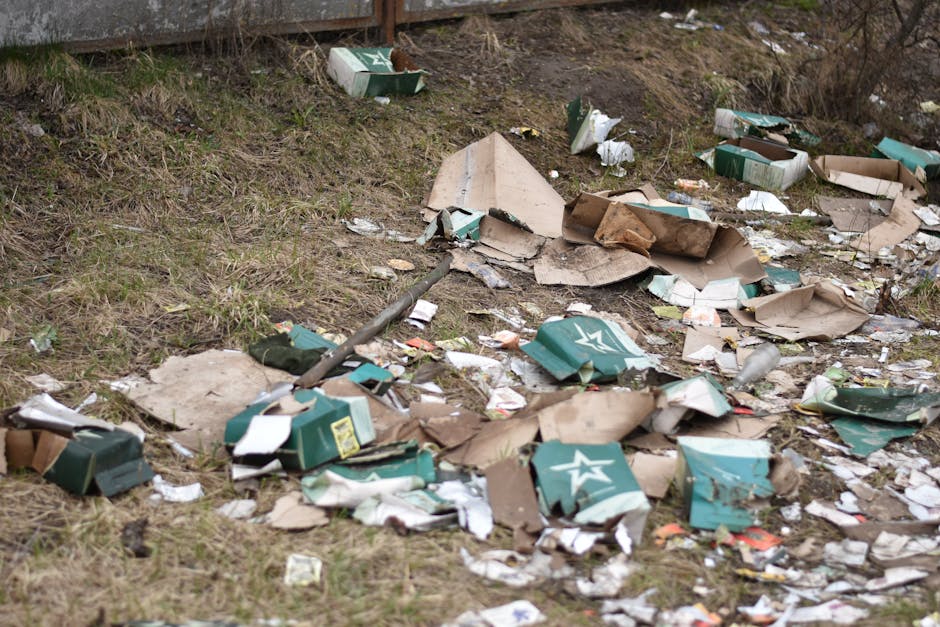
Fly-tipping has a nasty habit of turning up at the worst possible time. One moment you have a clear forecourt, alleyway, access road or bin store; the next, you are staring at a dumped pile of black bags, broken furniture, builders' rubble, or worse, and you need it gone today. That is exactly where same-day rubbish removal for fly-tipping emergencies in London becomes more than a convenience. It becomes a practical fix that helps you regain access, reduce risk, and stop a bad situation from getting worse.
Whether you manage a shop, a block of flats, a hospitality venue, a warehouse, or a busy workplace, fly-tipped waste can create instant headaches: blocked entrances, complaints, trip hazards, pests, bad smells, and the awkward question of who is responsible. This guide explains how emergency rubbish clearance works, what to expect from a reputable service, how to stay compliant, and how to choose the right response when time is tight. Truth be told, in London, waiting around is often the most expensive option.
Table of Contents
- Why Same-Day Rubbish Removal for Fly-Tipping Emergencies in London Matters
- How Same-Day Rubbish Removal for Fly-Tipping Emergencies in London Works
- Key Benefits and Practical Advantages
- Who This Is For and When It Makes Sense
- Step-by-Step Guidance
- Expert Tips for Better Results
- Common Mistakes to Avoid
- Tools, Resources and Recommendations
- Law, Compliance, Standards, or Best Practice
- Options, Methods, or Comparison Table
- Case Study or Real-World Example
- Practical Checklist
- Conclusion
- Frequently Asked Questions
Why Same-Day Rubbish Removal for Fly-Tipping Emergencies in London Matters
Fly-tipped waste is not just an eyesore. In the real world, it can immediately affect safety, access, reputation, and sometimes your legal obligations. A heap of dumped rubbish in a London street, service yard, loading bay, or residential entrance can stop deliveries, confuse customers, and make staff walk around hazards they should never have to navigate.
There is also the practical pressure of time. In a city where footfall, traffic, and shared access spaces never seem to slow down, a pile of waste can quickly become a daily problem. If the rubbish contains sharp materials, food waste, damaged packaging, broken glass, or possibly hazardous items, the urgency rises again. You do not want a slow, uncertain response when a quick one would solve half the problem in an afternoon.
For businesses, the first impression matters. For landlords and managing agents, fly-tipping can trigger complaints fast. For facilities teams, it can become one more thing competing with a long list of far less glamorous jobs. Same-day removal helps you reset the space before the issue spreads. That can mean avoiding pest activity, reducing odours, and stopping the waste from attracting more waste, which sadly does happen.
There is a reputational angle too. A tidy frontage says something. A fly-tipped corner says something else entirely. And once people notice dumped waste, they tend to notice it again. Getting it cleared promptly is one of the simplest ways to protect confidence in the site.
Expert summary: In an emergency, the best rubbish removal service is not just fast. It is organised, safe, properly insured, and able to clear the site without creating a second problem for you.
If you are dealing with waste in a specific part of the city or surrounding commuter belt, local response matters. Services covering areas such as Tower Hamlets, Havering, and Waltham Forest can often move faster because the team is already working within the same wider network. That matters when every hour counts.
How Same-Day Rubbish Removal for Fly-Tipping Emergencies in London Works
Same-day removal is usually straightforward, though the details depend on access, waste type, volume, and how urgent the site is. In most cases, the process starts with a phone call or enquiry describing what has been dumped, where it is, and whether the material appears dangerous, heavy, or mixed.
A reputable provider will usually ask for a few practical details:
- the location and access conditions
- the type of waste involved
- rough quantity or pile size
- whether any items are sharp, wet, contaminated, or heavy
- how quickly the site needs to be cleared
From there, a team can decide what vehicle, labour, and equipment are needed. For some jobs, one van and two operatives will do the trick. For others, especially where there is a mix of bulky items, construction debris, or multiple dumped bags, more hands may be needed. To be fair, fly-tipping rarely arrives neatly sorted.
Once booked, the crew arrives, assesses the load, separates recyclable material where possible, and removes the waste safely. In a good operation, the driver or supervisor will also check whether any paperwork is needed and ensure the disposal route is legitimate. That part matters more than people realise.
Depending on the site, same-day rubbish removal may also include a quick sweep-up after loading, which helps restore the area rather than merely emptying it. If access is tight, the team may need to work around parked cars, gates, stairwells, or shared paths. This is one reason experienced crews are worth their weight in tea breaks.
For a proper service experience, you should also expect transparent admin. Pages like pricing and quotes, payment and security, and insurance and safety are helpful signs that the business is set up to handle commercial work responsibly rather than improvising on the day.
Key Benefits and Practical Advantages
The obvious benefit is speed. But there is a bit more to it than that. Same-day fly-tipping clearance can help you stabilise a messy situation before it becomes costly or disruptive.
- Reduced downtime: entrances, loading bays, and shared access routes can be put back into use faster.
- Lower safety risk: removing sharp, heavy, or unstable waste quickly reduces hazards for staff and visitors.
- Better customer experience: a clean frontage helps preserve trust and avoids complaints.
- Cleaner site management: prompt clearance stops waste from being spread by wind, animals, or opportunists.
- Less admin stress: a good provider handles the practical removal and disposal chain for you.
- Improved compliance posture: using a legitimate waste carrier and keeping records helps show you acted properly.
There is also a psychological benefit. People relax when a visible problem is being dealt with quickly. Facilities teams know this well. Once the pile is gone, the pressure drops immediately. The site feels back in control.
If sustainability matters to your organisation, a service with a proper recycling approach can keep recyclable items out of landfill where possible. You can read more about recycling and sustainability practices if that is a priority for your business or property portfolio.
Who This Is For and When It Makes Sense
Same-day rubbish removal for fly-tipping emergencies is useful for anyone responsible for a place where dumped waste creates immediate problems. That includes business owners, landlords, block managers, estate teams, shop managers, industrial unit tenants, and public-facing organisations.
It makes particular sense when:
- a pile of waste is blocking access or fire routes
- the dump site is visible to customers or residents
- the waste is attracting flies, vermin, or general nuisance
- there is a deadline, inspection, or handover
- you cannot safely store the waste overnight
- your own team cannot lift or remove the material safely
It is also worth considering if the waste is mixed or awkward. Old mattresses, broken office furniture, bags of renovation debris, and loose rubbish are not always something a maintenance person can shift with a wheelbarrow and good intentions. Sometimes you need proper loading, lifting, and disposal all in one go.
In our experience, the people who benefit most are the ones who need a clean fix, not a long discussion. A retail unit in a busy parade at 8:30 in the morning. A landlord facing an email trail of complaints. A contractor who turns up to a site and finds someone else's mess left at the gate. These situations are common, and yes, mildly maddening.
Step-by-Step Guidance
If you are dealing with a fly-tipping emergency, staying calm helps. The problem may look chaotic, but the response does not need to be.
- Assess the site from a safe distance. Check whether the waste blocks access, looks hazardous, or contains broken glass, needles, liquids, or chemicals.
- Take a few clear photos. This helps with quoting, internal reporting, and any later investigation. Keep them simple and factual.
- Note the access details. Think gates, loading bays, parking restrictions, stair access, or time windows. Good access information saves time.
- Get a same-day quote. Share the type and estimated volume of waste. If you need clarity on budgeting, start with the pricing and quotes page.
- Confirm the disposal expectation. Ask how the waste will be handled, especially if anything may need careful sorting or separation.
- Prepare the area. Move vehicles if needed, unlock gates, and make sure someone can meet the crew or authorise access.
- Keep paperwork. Retain invoices, notes, and any transfer records provided. It is basic housekeeping, but extremely useful later.
- Check the cleared area. Once the waste is removed, do a quick walk-through to confirm nothing has been missed.
A small but important detail: if the waste appears hazardous, do not start pulling it apart. Leave that part to trained operatives. A broken bag can hide all sorts of unpleasant surprises, and nobody wants a heroic story involving a rusty nail or a leaking container.
Expert Tips for Better Results
Fast removal goes more smoothly when the site team gives the provider good information up front. That sounds obvious, but many delays come from missing access details, unclear waste descriptions, or a simple failure to mention that the pile sits behind a locked shutter or down a narrow service corridor.
Here are a few practical tips that help:
- Be specific about what is there. "A bit of rubbish" is not as useful as "15 black sacks, two broken chairs, and loose timber".
- Tell the truth about volume. If you are unsure, say so. A realistic estimate is better than an optimistic guess.
- Share access constraints early. London streets can be awkward. So can back lanes, basement entrances, and basement entrances again, frankly.
- Ask about sorting. If some of the load may be recyclable, a responsible provider will usually explain how that is handled.
- Check for site-sensitive issues. Residential blocks, schools, clinics, and public spaces may need quieter, faster, or more discreet handling.
Another good habit is to keep a record of recurring trouble spots. If one entrance or alleyway keeps attracting dumped waste, you may be able to improve lighting, signage, lock points, or bin storage arrangements. Clearance solves the emergency. Prevention reduces the next one.
And if your team works across multiple locations, it helps to know which local pages are relevant. For example, operational teams often cover areas such as Watford, Woking, and Guildford. A service that already works across that wider patch is usually better placed to respond quickly.
Common Mistakes to Avoid
When a fly-tipping incident happens, people often rush. That is understandable. But a few common mistakes can make the job harder, more expensive, or less safe.
- Moving unknown waste without protection. If you do not know what is in the pile, don't start handling it casually.
- Calling too late in the day. Same-day bookings are easier when you contact a provider early.
- Not checking the carrier is legitimate. You should always use a waste service that can explain where the material goes and how it is handled.
- Forgetting access details. A van may be ready, but a locked gate or parking issue can still delay removal.
- Assuming the cheapest option is the safest. A low quote is not much help if the waste is dumped again or handled poorly.
- Leaving the site unsecured after clearance. If access is easy for fly-tippers, the problem may repeat.
Sometimes the mistake is emotional rather than operational. People wait hoping the issue will somehow sort itself out. It usually does not. A pile of dumped waste has a talent for getting bigger, not smaller. Annoying, but there it is.
Tools, Resources and Recommendations
You do not need a toolkit the size of a warehouse to deal with fly-tipping, but a few practical resources help a lot.
- Phone camera: take photos before clearance for records and quotes.
- Site access notes: gate codes, parking restrictions, loading times, and contact details.
- Basic incident log: note the date, time, what was found, and where it was located.
- Waste transfer documentation: keep invoices and records from the removal provider.
- Internal reporting route: tell the property manager, landlord, FM lead, or duty manager quickly.
It is also useful to know where to find service information and trust pages before you need them. The following can be surprisingly handy when you are trying to make a quick decision under pressure:
- health and safety policy details
- insurance and safety information
- recycling and sustainability information
- payment and security information
- complaints procedure
If you manage public-facing premises, having those links saved somewhere sensible can save you a small panic later. Not glamorous, admittedly, but useful.
Law, Compliance, Standards, or Best Practice
Fly-tipping clearance is not just about physical removal. There is a compliance side too, and it is worth handling carefully. In the UK, commercial and business waste should be dealt with by responsible, properly authorised parties. You should be satisfied that the carrier collecting the waste is legitimate and that the disposal route is lawful.
Best practice usually includes:
- using a waste carrier that can identify itself clearly
- keeping evidence of collection and disposal
- separating obvious recyclables where practical
- handling suspicious or hazardous items cautiously
- following site health and safety rules during loading and removal
If your site is busy or exposed to the public, a sensible provider should also work in a way that protects bystanders and staff. That might mean using barriers, moving carefully in tight areas, or coordinating arrival times to avoid peak footfall. It sounds small, but those small things are often what separates a good job from a messy one.
Businesses should also think about duty of care in a practical sense. You do not need to become a lawyer overnight. You do, however, need to avoid casually handing waste to whoever happens to have a van. If you want to understand how a responsible supplier approaches this, the site's modern slavery statement and wider compliance pages can help demonstrate that the business operates with a proper framework.
For readers who need a local service presence, there are also area pages across the region, including Hemel Hempstead, St Albans, and Luton. These pages can be useful when response time and local coverage matter.
Options, Methods, or Comparison Table
Not every fly-tipping problem needs the same solution. Some sites need a van and a quick sweep. Others need more structured clearance, extra manpower, or staggered removal. The right method depends on urgency, waste type, access, and volume.
| Option | Best for | Strengths | Limitations |
|---|---|---|---|
| Same-day van clearance | Small to medium emergency piles | Fast, flexible, practical for tight London access | May not suit very large or complex loads |
| Planned same-day team collection | Bulky or mixed waste | More labour, better for awkward items | May need slightly more coordination |
| Staged clearance | Large piles or difficult access sites | Allows careful handling and sorting | Not ideal if the site must be cleared immediately |
| Client-led segregation before collection | Sites with internal staff and time | Can reduce handling time and improve recycling | Not suitable where the waste is unsafe or urgent |
In a clean commercial setting, the fastest option is not always the most effective one. If the waste includes heavy items, messy debris, or potentially contaminated material, a slightly more deliberate approach may be smarter. Speed matters. So does doing it properly.
Case Study or Real-World Example
A facilities manager at a small retail parade in outer London arrives on a Monday morning to find a dumped pile beside the rear service entrance: several black sacks, a broken wardrobe, food packaging, and scattered loose waste that has already begun blowing into the access route. Deliveries are due by lunchtime. Staff are due in within the hour. The smell is not great either.
Rather than waiting for the situation to become a bigger complaint, the manager photographs the scene, checks access for the rear lane, and arranges same-day rubbish removal. The provider confirms the approximate load, sends a suitable crew, and clears the site before the afternoon delivery window. The team also sweeps up loose debris so the entrance is useable again.
What made the job work was not magic. It was a clear description, realistic timing, and a provider able to respond without fuss. The manager later keeps a note of the incident and reviews how the rear area is secured. Nothing dramatic. Just good, practical handling. And that's usually how the best outcomes happen.
Practical Checklist
Use this quick checklist when you are dealing with a fly-tipping emergency:
- Confirm the waste is safe to approach from a distance
- Take photos of the dump before anything is moved
- Estimate the volume and describe the materials clearly
- Check access points, gates, parking, and time restrictions
- Arrange same-day collection as early as possible
- Ask how the waste will be handled and disposed of
- Keep records for internal files and compliance purposes
- Inspect the area after clearance to make sure it is fully usable
- Review whether the site needs extra security or prevention measures
- Save useful pages for later, including accessibility information and trust-related service pages
One more thing: if the pile looks suspicious, contaminated, or sharp, stop and call for help rather than trying to be the hero. Nobody needs that kind of afternoon.
Get a free quote today and see how much you can save.
Conclusion
Same-day rubbish removal for fly-tipping emergencies in London is about restoring order quickly, safely, and with as little disruption as possible. When waste appears without warning, the best response is calm, fast, and properly organised. That means a provider who understands access, compliance, safety, and the practical realities of working across the city.
If you are responsible for a site, the smartest move is to act early, share clear information, and choose a service that can clear the waste without creating new issues. That way, the mess is handled once, properly, and the space gets back to doing what it should do. Simple, really. Well, not always simple, but achievable.
And if you can clear the problem before the day gets away from you, that is one less thing hanging over your head. Which, on a busy London morning, counts for quite a lot.
Frequently Asked Questions
What counts as a fly-tipping emergency?
A fly-tipping emergency is usually any dumped waste that blocks access, creates a safety risk, causes strong nuisance, or needs removal the same day to keep a site operating normally.
How fast can same-day rubbish removal happen in London?
It depends on location, access, and the type of waste, but same-day bookings are often possible if you contact a provider early and give clear details about the job.
Can fly-tipped waste be removed from a private car park or rear alley?
Yes, provided the crew can safely access the area and the site owner, manager, or authorised person gives permission for entry and clearance.
What should I do before the removal team arrives?
Take photos, note access instructions, clear vehicle spaces if needed, and make sure someone on site can authorise the work or answer questions.
Is it safe to move fly-tipped rubbish myself?
Only if the waste is clearly safe, light, and non-hazardous. If there is broken glass, chemicals, needles, or unknown contents, leave it to trained operatives.
How do I know if a rubbish removal company is legitimate?
Look for clear contact details, transparent pricing, safety information, insurance details, and a proper explanation of how the waste will be collected and disposed of.
Does emergency rubbish removal cost more than standard collection?
It can, because same-day work often requires faster scheduling and flexible routing. The exact price depends on the load, access, and labour required, so a quote is the best next step.
Will the company recycle any of the waste?
Where practical, responsible providers try to separate recyclable material and route it appropriately. The precise process depends on the type and condition of the waste.
What if the fly-tipped waste includes hazardous items?
Do not touch it. Tell the provider exactly what you suspect is present so they can advise on the right approach and send suitable help.
Should I report fly-tipping to the council as well?
In many cases, yes, especially if it is on public land or you need an official record. For private land, you may still want to document the incident internally and arrange prompt clearance.
Can same-day removal help prevent repeat fly-tipping?
It can help because a clean, cleared site is less likely to attract more dumping. Better lighting, secure gates, and improved waste storage can also make a difference.
Do I need paperwork after the collection?
Keeping records is a smart habit. Hold onto invoices, notes, and any collection or disposal documentation so you can show the waste was handled properly if needed later.